One of the first challenges that aspiring photographers wrestle with is how to create a style. With so many photography genres and personalities out there, not to mention 200 years of photography history, it can be daunting to know where to begin.
Plus, if your goal is to build a freelance or full time photography career, how do you create a marketable photography style that will get you hired?
Let’s first define what we mean when we say “photography style”. There are many factors we could point to, but at the core, your photography style consists of:
- What you shoot
- How (and why) you shoot it
- How you edit and present your work
In this article, we’ll focus mainly on #3, but remember that #1 and #2 are just as important, if not even more so. So how do you even begin?
Table of Contents
Finding Your Style
First, it’s important to note that creating your own photography style takes time — a lot of time, and the process never really ends. The best place to start is to take note of what moves and captivates YOU when you see it from others. Explore the curated Selects on VSCO and build a feed or Favorites list of images you love. Start noticing photography styles all around you in stores, books, signs, exhibitions, and see if you can start to discover common threads in your own interests. This will inform and support you as you define your own unique approach to style. Do you love warm, saturated colors? Or bright, cool tones? Vintage aesthetics, or a polished modern look?
When you start to hone in on a style you like, you may begin to wonder how to get hired by brands as a photographer. Consider that many brands seek a style that fits with their goals, and they may be drawn to yours specifically because it matches those goals.
Why Brands Hire Specific Styles
The good news is that most brands and clients will hire photographers for a very specific style need. A marketer or art director is not going to look at your portfolio and think, “Well they seem competent, I’m sure they could do what I have in mind”. No, if they need a photographer to shoot kitchenware in a clean editorial style, or fashion in an ethereal style, or sports equipment in a dramatic style, they’re going to go looking for photographers who already have portfolios that look like that. They’re under tremendous pressure themselves, and they need a sure bet, so they are hiring for specifics, not generalities. The same goes for getting more wedding, portrait, and event photography clients.
Think of it like this: if you had to take an important person out to dinner, and they said they wanted Italian food, you would go looking for Italian food restaurants, not just any restaurant that seems competent. You wouldn’t call an Indian restaurant to see if they’d make Italian food, and you probably wouldn’t take an important person to a buffet that serves Italian among many other options. You’d want to see their menu, pictures of the food, the ambiance, reviews, etc. so that you can rest assured that the experience will deliver against expectations.
For you, this means that the more specific your photography style is, the more likely you are to be found and hired by someone who wants that particular photo style. Now, this may sound limiting — If you shoot portraits and landscapes, and also like experimenting with editing styles, won’t you miss out on work if you don’t show it all? The truth is, you may miss out on work if you DO show all of that in one place! “Our specials tonight are Pasta Alfredo, Chicken Tikka Masala, and Elk Burger” creates a confusing experience for customers. There is a strategy in how to get hired as a photographer for your style that we’ll get to later on.
So, you need to figure out what kinds of clients you’d most like to be hired by, and create work and a portfolio tailored to their needs. The stronger and clearer your photography style, including the editing, the more marketable and memorable you become to those that want it. There are two ways to go about this:
Differentiation – create a unique, strong personal photography style — one that a client who is looking for something fresh and different would find appealing. This might take longer to see results with, but could ultimately help you make more money as a photographer.
Tesxla, John Baloy, Deun Ivory, Junichi Mae, Mahmoud Ibrahim, Thom Fox Shea, and Alice Angelini are great examples of photographers who carved their own path with a strong visual style, and are getting hired by clients due to their unique voice. They aren’t focused on finding clients that want generic images and they get hired as photographers by brands to shoot photos in the style they love and have created.
Alignment – Find clients or brands that you think would be a good fit for your taste and study their existing visual language. Look at their website, catalogs, and social media, then create a portfolio of work in a similar style. When someone from these brands encounters work like this, it’s easy for them to imagine hiring you.
Liza Gershman, Martine Severin, Rye, Jessen, César Ovalle, and Tom Sanders are great examples of photographers who may have identified a type of client they want, and worked on how to get hired for photography jobs by brands for their style.
Try to get as specific as you can with the style you want to pursue, and then focus on how to create an editing style for your photos.
The Elements of an Editing Style
How you edit your photos makes a huge impact on whether clients and brands will hire you as a photographer. When it comes to photography styles, we all bring our entire lived experience with us when we look at a photo. We associate different aesthetics with our memories, experiences, and feelings— like a warm sunset or a cold foggy morning — and so we can edit photos to bring feelings into an image.
Every image, regardless of whether it’s been edited or not, has 3 main elements.
- Color
- Warmth, Saturation, Color harmony
- Warmth, Saturation, Color harmony
- Tone
- Brightness, contrast, shadows, highlights
- Brightness, contrast, shadows, highlights
- Texture
- Sharpness, blur, grain or noise
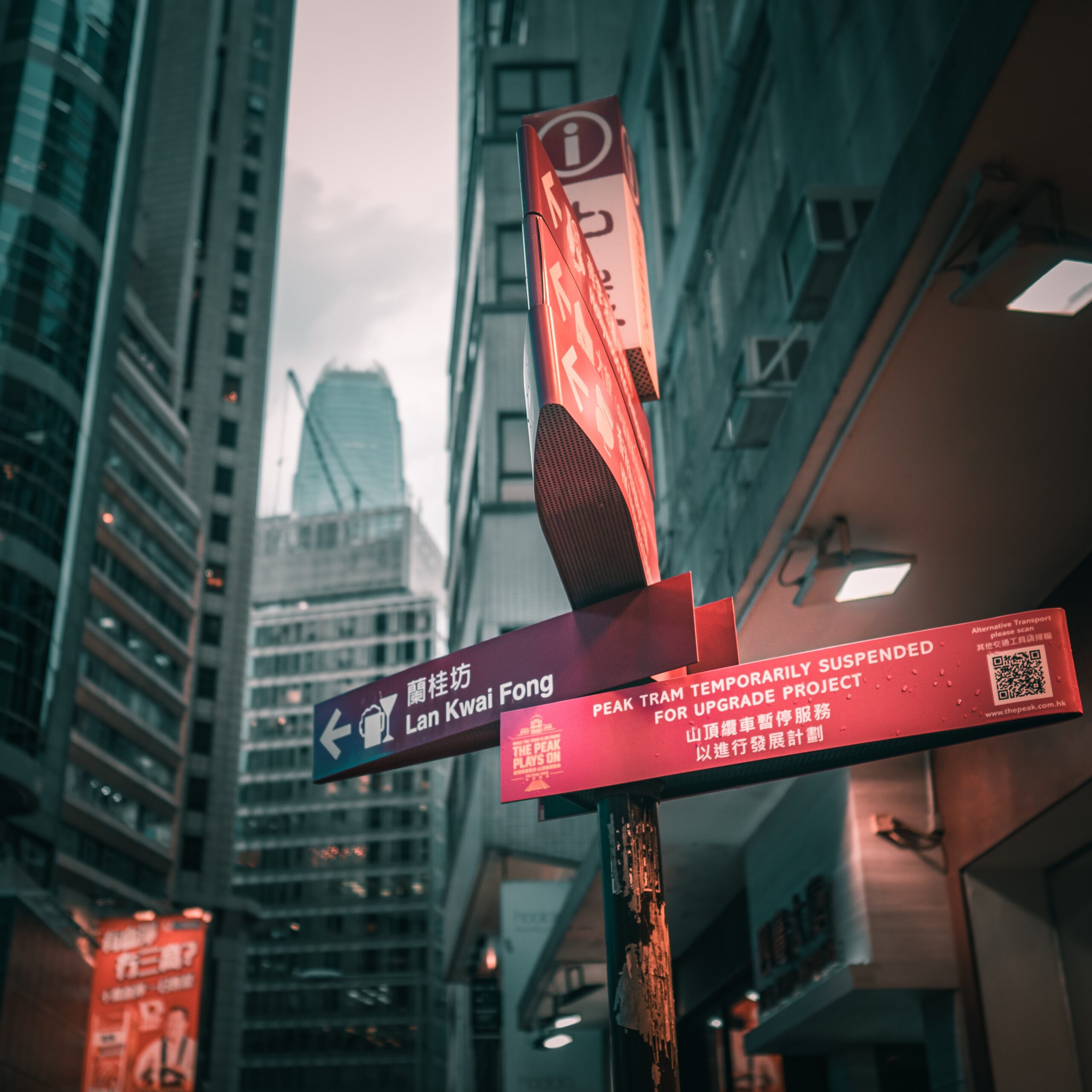
Notice these elements on other photos that represent the direction you’re going for. Do they seem to have a warm color to them? (And is it because there are only warm colored objects in the frame, or because an editing style was applied?) Do they tend to be bright, neutral, or dark and moody? Are they clean or gritty, sharp and detailed or more film-like?
In a photo editor like VSCO, here are the tools to explore for these elements:
- Color
- White Balance, Saturation, HSL, Split Tone
- White Balance, Saturation, HSL, Split Tone
- Tone
- Exposure, Contrast, Tone, Dodge & Burn, Vignette
- Exposure, Contrast, Tone, Dodge & Burn, Vignette
- Texture
- Grain, Sharpness, Clarity, Blur, Bloom, Halation
Building a Repeatable Photography Style With Presets
For your style to become a signature in your freelance and commercial work as a photographer, it needs to be consistent, which means it needs to be easily repeatable for you. Fiddling with all the controls above can be tedious — even if you’re a master editor. This is where Presets and Recipes can be your best friend when it comes to editing your photos and getting hired as a photographer.
In the VSCO App, each photo filter contains a world of style choices within itself that cannot be replicated manually with the tools alone, and they often affect many dimensions of color and tone in nuanced ways. So, for many people, finding a preset is a great place to start to build your editing style. It’s easier to start with something you like and make it your own, rather than starting with nothing.
Once you’ve found a preset that matches the editing style you’re after, refine it with other tools like Contrast, HSL, or Grain, to make it exactly what you want. In VSCO, you can save any combination of preset and tools as a Recipe, and in other apps you just need to create your own new preset with your changes. Once you have your Recipe or preset, you can easily apply it to any photo with one click.
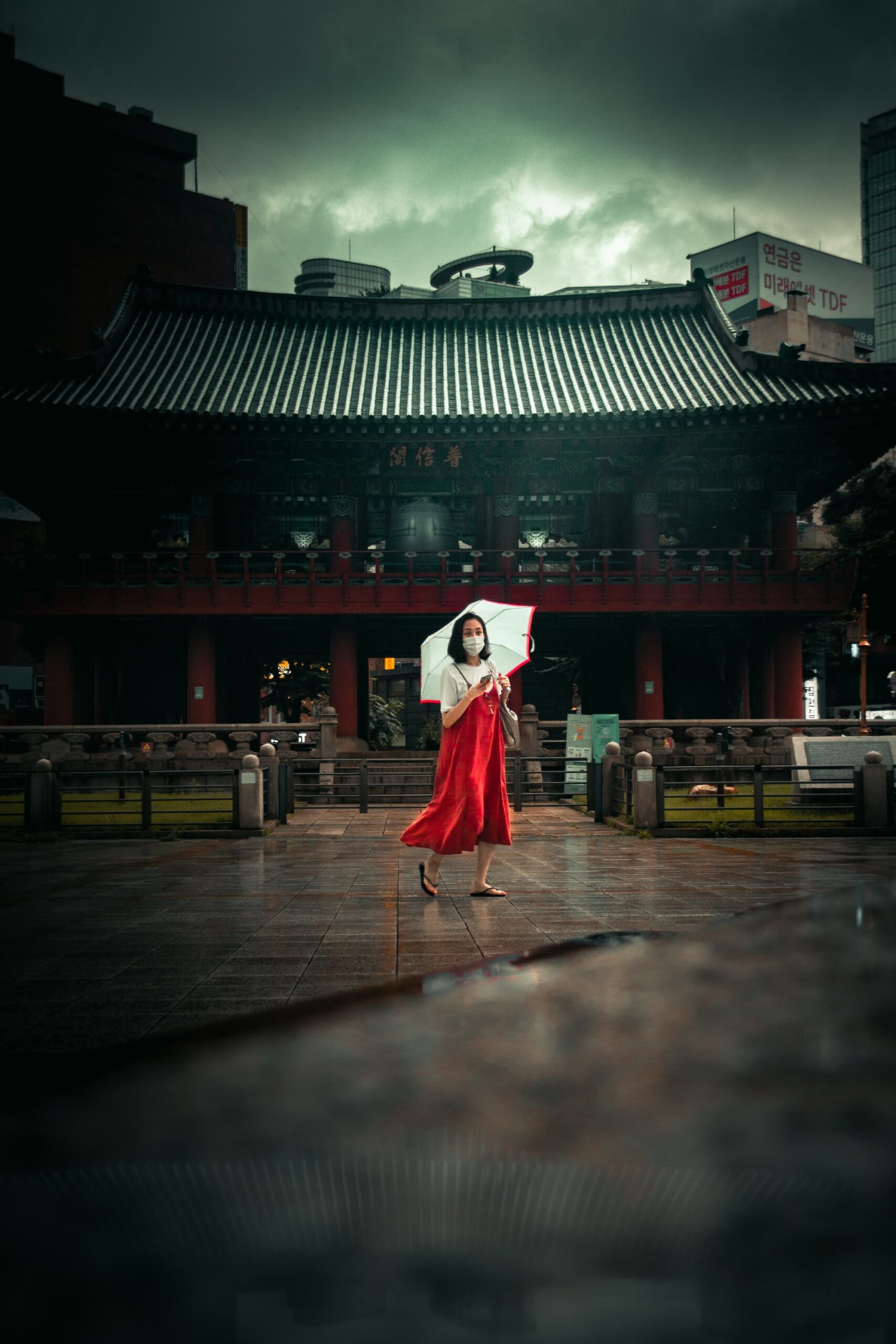
You’ll usually still have to make small corrections for each image because of varying light conditions, but this can be consistent and fast by simply copy and pasting settings, especially when you have a series of images all taken in a similar setting.
For some photographers, they have 1 preset that everything runs through and that is the look of their business. For others, (such as obsessive tweakers like me) it’s a constantly evolving series of options within a similar style, but in both cases it’s usually something that takes a while to get to, and still gets a refresh from time to time as trends and your own eye changes.
Presenting Your Work Professionally
You’ve found your style, created a great body of work, and edited it all in a unique and consistent way — but you’re still not done! Now, you need to get your work in front of the people who need to see it, and the way you showcase your work matters as much or even more than how you edit it.
Back to our restaurant metaphor, think of presenting your work as the menu. You need a few key sections of the photo styles you offer, with the best items in each one, and it probably needs to fit on just a few pages.
This means your social media profiles should have a few of your best, most representational photos pinned to the top. Your website (you do have a website, right?) should open with your highlighted work, and offer a few, clearly-named and curated galleries of your best work that a prospective client can look through to quickly get a sense of who you are and how to hire you for a photography job or gig.
This is one of the toughest hills to climb when finding photography work! Your parents might, but no potential client is going to look through 10 galleries filled with 50 photos each, so curation is key. This means that photos you love will have to get cut or shared down the road, and most of us need help with this part. Enlist others you trust (or even professionals who do this) to help you create a strong portfolio that is easily consumable.
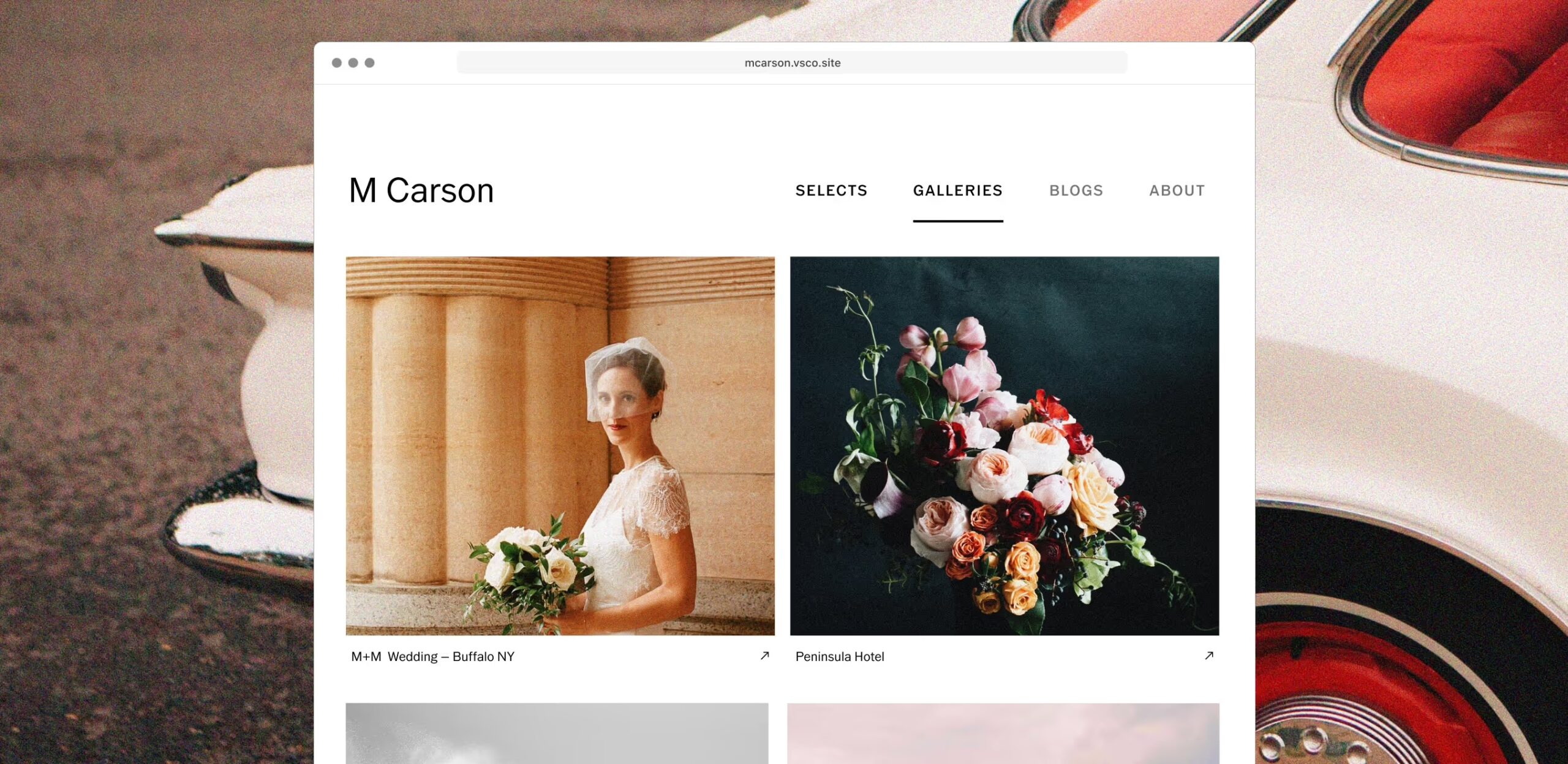
A consistent, professional presentation helps clients envision hiring you as a photographer for their job, builds their confidence in your skills, and makes it easy to start working with you as a photographer. A tool like VSCO Sites is a great place to start, enabling you to turn your existing VSCO Profile into a professional website with selects, galleries, and contact information.
I said there is a strategy for offering a wider variety of work, and here it is: create a separate profile and website for your alter ego. For instance, if you’re a wedding photographer wanting to attract commercial clients, consider creating a second website for your commercial work. Essentially, open another restaurant for the other menu!
Finding Photography Clients

Clicking “Publish” on your website is incredibly satisfying, but you’re STILL not done. Clients will not just find you and hire you. Instead, you need to be finding THEM. This can seem daunting, but there are many ways to go about it.
Here’s a list of strategies I’ve personally heard from successful photographers that worked for them:
- Looking up a client on LinkedIn (like and art director) and messaging them, inviting them to check out your work
- And following up, sometimes for years!
- Maintaining relationships with thank you notes and email newsletters
- Sending a book of your work to a prospective client (maybe even with a home made treat)
- Engaging with brands on social media, especially with work you’ve created in their style
- Literally going in person to the business and talking to the owner
- Collaborating with other creatives like stylists, designers, makeup artists, etc.
- Participating in portfolio reviews, sometimes at a high personal cost
- Submitting to magazines, blogs, and contests
There are amazing photographers who don’t work, and mediocre photographers who are booked solid because of the difference in their ability to find new photography clients and connect with them. Visibility and initiative are just as important as your style. Remember, clients aren’t just hiring your work, they’re hiring YOU, so the better they know you and your work, the more likely they are to hire you as a photographer.
Frequently Asked Questions About Creating a Marketable Photography Style (FAQ)
How do I develop a consistent editing style as a photographer?
Start by noticing what visual elements you naturally love—color palettes, lighting moods, contrast levels, or textures. Use a photo editing app like VSCO to experiment with presets and tools until you find a look that feels authentic. Save your adjustments as a custom recipe so you can apply it consistently across shoots. Over time, your edits will become second nature, forming the backbone of your recognizable style.
What filters or presets should I use to create a marketable photography style?
There isn’t one “best” preset—what matters is alignment with your visual goals. If you want an organic, film-inspired look, start with presets like VSCO’s A-Series or M-Series and adjust tone, contrast, and warmth. For modern, minimal work, cooler presets with clean whites often work best. The key is customizing filters so they enhance your vision rather than define it.
How can my editing style help me get photography clients?
Your editing style communicates your taste, skill, and reliability. When clients see consistent tone, color, and mood across your portfolio, they instantly understand what to expect from your work. This builds trust and helps them visualize hiring you for a specific aesthetic. A clear, cohesive editing style is often what turns casual viewers into paying clients.
How do I find inspiration for developing my photo style?
Start by collecting images that resonate with you—from VSCO Selects, magazines, books, and exhibitions. Look for patterns in what catches your eye, like lighting style, subject matter, or mood. Inspiration doesn’t mean imitation; it’s about identifying the emotional qualities you connect with and translating them through your own lens and editing.
What are the key elements of a photo editing style?
Every editing style is built on three main pillars: color, tone, and texture. Color affects warmth, saturation, and mood. Tone controls light and contrast. Texture defines sharpness, softness, and grain. Balancing these elements is what gives your photos a consistent, professional feel across all projects.
How can I make my photography portfolio look more professional?
Keep your portfolio tightly curated and visually consistent. Lead with your strongest images that clearly represent your style, and organize galleries by type (e.g., portraits, lifestyle, commercial). Avoid overwhelming viewers with too many photos—quality over quantity. Tools like VSCO Sites make it simple to turn your VSCO profile into a polished website that showcases your work beautifully.
Should I have different editing styles for different types of clients?
It depends on your business goals. If you shoot in multiple genres—like weddings and commercial work—it can help to maintain two distinct styles and websites. This lets each audience see work that’s tailored to their needs without diluting your brand. Think of it like running two restaurants with different menus rather than one that tries to serve everything.
How can I use social media to promote my photography style?
Use platforms like Instagram or VSCO to share consistently edited images that tell a cohesive story. Pin or highlight your best work and engage directly with brands, art directors, and other creatives. Social media isn’t just for posting—it’s for networking and visibility. The more consistent and active you are, the more likely your style will get noticed by potential clients.