Introduction: Why Creative Leaders Must Understand To Better Understand Cultural Physics
For decades, designers, marketers, and creative directors have intuitively worked with culture—knowing it’s role in the work, but finding it too fluid and abstract to analyze clearly. This perceived ambiguity has led many creative teams to rely on instinct and intuition, hoping their work resonates while lacking a structured way to understand why certain ideas and campaigns thrive and others fall flat.
Enter Cultural Physics—a powerful framework that examines how perception forms, shifts, and spreads across society (plus, how practitioners like designers and marketers can work with it.)
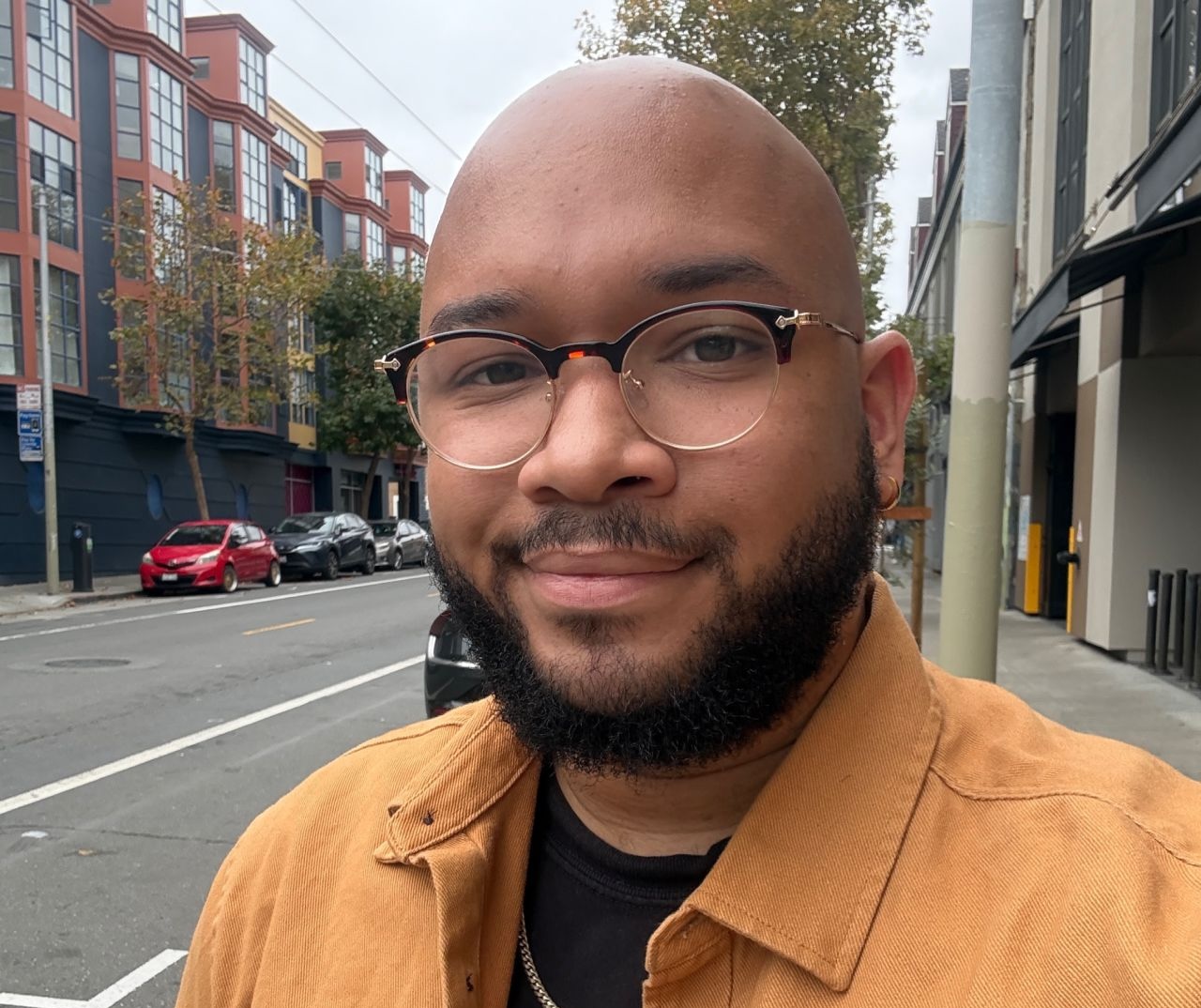
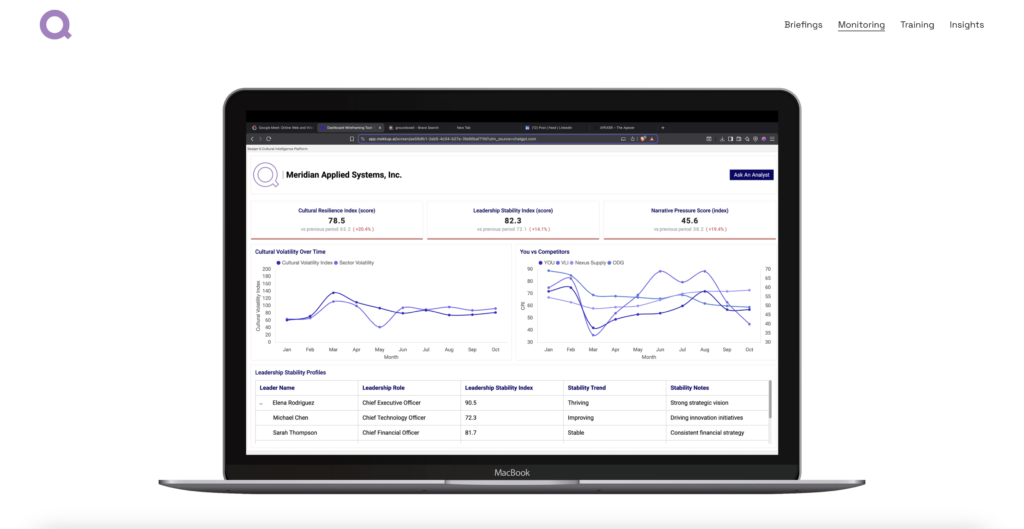
Evante Daniels, Founder and Chief Strategy Officer of SEEQER, is one of the most compelling contemporary voices on the topic of Cultural Physics. SEEQER produces cultural intelligence reports and advisory guidance for brands seeking clarity in an era of accelerating cultural change. They provide training, measurement, tools, and technology for organizations to work better with cultural signals.
Drawing on two decades of experience in industrial design, brand strategy, and marketing leadership, Daniels helps creative leaders — the ones doing the work to concept, create, and deliver brand messages — read cultural signals to reduce strategic blind spots and build campaigns that align with how people actually experience the world.
This article breaks down Daniels’ most transformative insights into Cultural Physics—and how creative professionals can use this lens to lead with deeper understanding, greater alignment, and stronger impact.
This post is a summary of live discussion between Nick Power, Head of Marketing at Noun Project, and Evante Daniels, founder of Seeqer, on “Cultural Physics”.
Listen to the full conversation on our podcast, Design Icons, here:
Table of Contents
What Is Cultural Physics? A Practical Definition for Creatives
Culture often feels ambiguous to creative professionals. As Daniels puts it, it can appear “nebulous,” making it difficult to articulate its importance or measure its influence. Cultural Physics changes that by treating culture not as guesswork, but as a system shaped by recognizable forces.
At its core, Cultural Physics explains how perception forms and how it moves through groups of people over time.
A central principle is that context shapes reception. The same message will land differently depending on where, when, and how a person experiences it—scrolling on a phone, listening on a commute, or watching with family. Despite acknowledging this at a human level, many teams fail to account for context in their campaigns or communication strategies.
Daniels points out that to lead creatively today, we must treat culture as something structured and measurable—paying closer attention to where it moves and how we move with it.
The Age of Cultural Volatility: Why Traditional Messaging No Longer Works
We are living in a moment of heightened cultural tension. People feel pressure from “every direction”—economically, socially, technologically—and the familiar messages that once offered reassurance now fall flat.
This volatility is intensified by a critical shift: audiences can now see behind the curtain.
They recognize corporate tactics. They detect inauthenticity. They sense misalignment between message and reality. It’s not that the performance has changed—it’s that the audience has.
In this environment, the gap between what a brand says and what a brand does becomes glaringly visible, and creatives must account for this widening sensitivity in their work.
The Performance Gap: When Creative Work Collides with Lived Reality
Daniels uses this metaphor of theater to explain this growing disconnect:
- The stage is creative output—campaigns, messaging, design, production. This is what we, the creatives, want the audience to see.
- Backstage is a brand’s true behaviors, operations, and internal culture. It’s how we stack up against actual judgement.
When audiences glimpse what’s happening behind the performance, the illusion breaks. Trust weakens. Cynicism grows. Culture becomes more volatile.
This performance gap is not a creative problem—it’s a cultural physics problem. And unless the gap narrows, no amount of clever concept, design, or compelling copy can restore resonance.
Creative Work Shapes Worldviews, Not Just Metrics
Daniels’ clearly shows that creative professionals often underestimate the scale of their influence. A campaign is not just a series of impressions—it contributes to people’s mental models, emotional cues, and worldview.
When companies say one thing and do another, the consequences ripple far beyond customer churn or conversion rates. They shape:
- community trust
- public discourse
- employee morale
- societal norms
Daniels calls the alignment between messaging and lived reality Cultural Resilience—and he sees it as a defining measure of whether a brand will survive (or thrive) amidst cultural turbulence.
Organizations with high Cultural Resilience (Patagonia, REI, etc.) build trust through alignment. Those with low resilience fracture under pressure.
The Stakes: Why Creative Influence Must Be Handled Carefully
The marketing industry’s reach is vast, and Daniels emphasizes its responsibility. To illustrate the stakes, he points to the opioid crisis—not as a political commentary, but as a sobering example of how strategic messaging can reshape society.
The marketing tactics used to push OxyContin contributed to a crisis that resulted in over hundreds of thousands of deaths. The terrifying lesson?
A regionally targeted campaign in 2001 could become global in hours today.
The takeaway for creative leaders is not guilt—it is agency.
Your work has cultural consequences.
And Cultural Physics provides the tools to understand those consequences before they manifest.
The Three Domains of Cultural Movement
Daniels defines the three channels through which culture actually spreads:
1. Lived Experience (The Body)
Culture begins with real, physical, emotional experiences. Concerts, commutes, conversations, dinners with friends. These sensory moments shape values long before media reinforces them.
2. Media (Stories, Narratives, Algorithms)
TikTok, Reddit, YouTube, Discord—this is where culture is debated, accelerated, and reinterpreted. It is a constant cognitive negotiation of meaning.
3. Institutions (Systems and Worldviews)
Businesses, governments, education systems, and formal structures reinforce certain values. When institutional values diverge from lived experiences, dissonance—and cultural volatility—follows.
Understanding these domains allows creative leaders to predict how messages will be interpreted and how they will spread.
Measuring Cultural Shifts: Murmurations and Momentum
Daniels describes cultural movement through the analogy of a murmuration—a flock of birds shifting shape midair.
One bird turns.
The birds beside it follow.
Soon the entire flock changes direction.
Culture spreads in the same way.
Trends, memes, narratives, anxieties, and desires often move through adjacency—we share them with each other, then again, and again.
Creative influence is not necessarily about controlling the murmuration; it’s about reading it and aligning with its momentum.
Cultural Resilience: Closing the Gap Between Creative and Perception
Cultural Resilience—the alignment between a brand’s actions and the values of its audience—predicts outcomes long before financial metrics do.
High Cultural Resilience leads to:
- operational efficiency
- customer trust
- employee loyalty
- better creative
- long-term growth
Daniels references Blockbuster as a cautionary tale. In 2004, it posted one of its best financial years. At the same time, it was culturally obsolete. Netflix wasn’t bigger—but it was more aligned with emerging cultural behavior.
Cultural Resilience predicted the future. Revenue reflected the past.
Practical Cultural Intelligence: How Creatives Can Apply Cultural Physics Daily
Daniels teaches approachable, repeatable practices for developing cultural fluency.
1. Stay Current (in your sphere—not the entire world)
Creative leaders should track:
- design and UI trends
- industry-specific conversations
- emerging aesthetics
If you’re in the space of design, you need to calibrate. Pick a few places you can gather these signals and routinely check them.
2. Tap Into the “Heartstream” via Social Media
Social media, for better or for worse, is the cultural watering hole. Reddit & TikTok are probably the two best places in 2026 to understand what your audience considers important, and how they’d likely respond to your creative. These platforms reveal the emotional pulse of culture in real time. Daniels advises creatives to:
- follow communities your audience inhabits
- observe language, humor, sentiment
- notice recurring points of tension or excitement
Ten minutes a day yields massive clarity.
3. Ask Questions & Listen For Patterns
Ask your audience (and your teammates) simple questions about what they watch, read, and follow. These micro-perspectives reveal cultural blind spots in creative planning.
You’re doing two things at once when you do this well: Establishing rapport and collecting insights.
4. Validate Qualitative Insight With Quantitative Structure
Daniels uses systematic processes to capture and understand culturally charged topics. Aside from SEEQER’s proprietary technology that measures cultural relevance, he explains the methodology behind surveying and drilling into specific answers from an audience.
For example, if we were to understand how a subset of designers views AI in the creative process, we’d need to survey that group to:
- Identify the majority position
- Learn what tools they use
- Get usage data from the source (the tools themselves)
- Ask why they use the tools the way they do
This reveals the actual cultural conversation—not just the loudest opinions.
Using Cultural Physics to Influence Culture for Good
Daniels believes the creative industry is entering a period of reckoning—one where influence must be wielded with understanding, responsibility, and care.
Creative teams shape:
- narratives about identity
- public trust in institutions
- emotional norms
- attitudes toward technology
- the stories people use to navigate life
Work that aligns with cultural realities—rather than trying to put on a show—performs better creatively, ethically, and financially.
Every piece of creative work makes an impact. And it starts with you, the first person on the receiving end of your work, understanding that alignment.
Conclusion: Cultural Physics as a Path to Better Creativity, Better Alignment, and Better Outcomes
Cultural Physics gives creative professionals a structured way to understand culture—not as a mystery, but as a system shaped by forces that can be read, tracked, and responded to.
Evante Daniels’ insights remind us that:
- Creative work influences society
- Culture can be measured and understood
- Alignment with culture increases trust and resonance
- Brands thrive when they are culturally fluent
- Designers and marketers have immense agency
By getting more familiar with Cultural Physics, creative leaders can move beyond guesswork—leading with intention, clarity, and purpose.
You can learn more about Evante Daniels and SEEQER by checking out his website, connecting with him on LinkedIn, and following his Substack: Cultural Field Notes.
Frequently Asked Questions (FAQ) About Cultural Physics
What is Cultural Physics and why does it matter for graphic designers and marketers?
Cultural Physics is a framework that explains how perception forms, shifts, and spreads through society over time. For graphic designers and marketers, it matters because creative work doesn’t exist in a vacuum—messages are interpreted through cultural context, lived experience, media narratives, and institutional trust. Understanding Cultural Physics helps creatives design work that resonates authentically instead of relying solely on intuition.
How does Cultural Physics help creatives understand audience perception?
Cultural Physics helps creatives understand how and why audiences interpret messages differently depending on context—such as platform, timing, emotional state, and cultural climate. By analyzing cultural signals and patterns, designers and marketers can predict how work will land, reduce misalignment, and create campaigns that reflect real audience experiences rather than assumed ones.
Why do traditional marketing messages fail in today’s cultural environment?
Traditional messaging often fails because today’s audiences are more culturally aware, skeptical, and sensitive to authenticity. Cultural volatility has increased, and people can easily detect misalignment between what brands say and what they do. Cultural Physics explains this shift and shows why messaging must align with lived reality to maintain trust and relevance.
What is the “performance gap” in creative work?
The performance gap refers to the disconnect between a brand’s creative output (campaigns, design, messaging) and its real-world behaviors, values, or operations. When audiences sense this gap, trust erodes. Cultural Physics identifies this as a cultural issue—not just a creative one—and emphasizes alignment as the key to restoring credibility.
How does creative work influence culture beyond marketing metrics?
Creative work shapes worldviews, emotional cues, societal norms, and public trust, not just impressions or conversions. According to Cultural Physics, every campaign contributes to how people understand the world. This means designers and marketers carry cultural responsibility, as their work can influence behavior, beliefs, and long-term cultural momentum.
What are the three domains of cultural movement?
Cultural Physics identifies three domains through which culture spreads:
Lived Experience – physical and emotional human experiences
Media – stories, platforms, narratives, and algorithms
Institutions – systems like businesses, governments, and education
Understanding these domains helps creatives predict how messages will travel and where misinterpretation or resistance may occur.
How can designers and marketers apply Cultural Physics in daily work?
Creatives can apply Cultural Physics by practicing cultural intelligence, including social listening, tracking relevant trends, asking audience questions, identifying patterns, and validating qualitative insights with data. Small habits—like monitoring key communities on platforms such as Reddit or TikTok—can dramatically improve cultural fluency and creative alignment.
What is Cultural Resilience and why is it important for brands?
Cultural Resilience is the alignment between a brand’s actions, values, and audience expectations. Brands with high Cultural Resilience build trust, loyalty, and long-term growth, while those without it often collapse despite short-term success. Cultural Physics shows that cultural alignment often predicts future performance better than financial metrics alone.